The First Sundowner at Anchor (and Why It Tastes Better Than Any Other Drink)
The anchor bites, the engine goes quiet and somebody pours a drink. A KeelFair note on the small evening ritual that makes every boating day worth it.
Journal makaleleri İngilizce yayımlanır.
By Douglas Cook · Founder, KeelFair
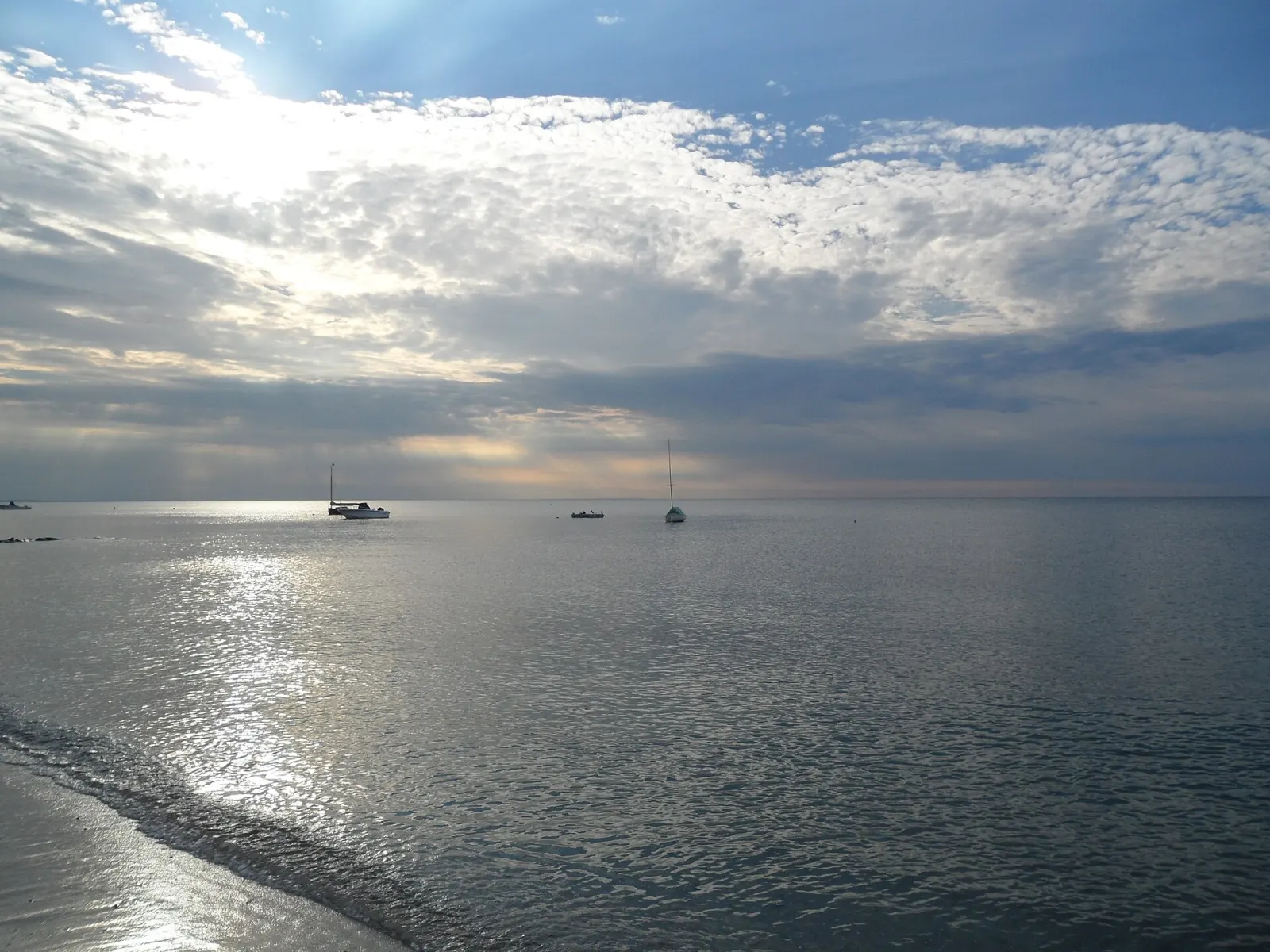
Header image: boats at anchor at sunset in Cape Cod Bay, Massachusetts. Photo: EgorovaSvetlana, CC BY-SA 4.0, via Wikimedia Commons.
There’s a moment on a boat that nobody puts in the brochure, and it’s my favourite one.
The anchor has gone down. You’ve let out the chain, watched the shore marks for a few minutes and felt the boat settle back and stop moving. Somebody turns the key, and the engine that has been droning away all afternoon goes quiet. For a second or two nobody says anything at all.
Then someone asks the most important question of the day: "Right, who wants a drink?"
That’s the sundowner. It doesn’t matter what’s in the glass. A cold beer, a glass of wine, a mug of tea with a biscuit balanced on the rim. It’s not really about the drink. It’s about what it means: the day’s work is done, the boat is safe, and the evening belongs to you.
The best bit of the day comes after the hard bit
Picture the afternoon that came before it. Maybe the wind was a bit fresher than forecast. Maybe the tide was against you for the last hour, or you went round the bay twice deciding which corner gave the best shelter. Maybe there was a short, slightly tense conversation at the bow about how much chain was "enough".
None of that matters once the hook is down and holding.
I think that’s why the sundowner feels so good. It’s earned. On land, you can pour a drink whenever you like and it means very little. On a boat, it marks the line between doing and being. You’ve been watching the wind, the depth and the other boats all day. Now, for the first time, there’s nothing to watch except the light changing on the water.
What an anchorage sounds like when it goes quiet
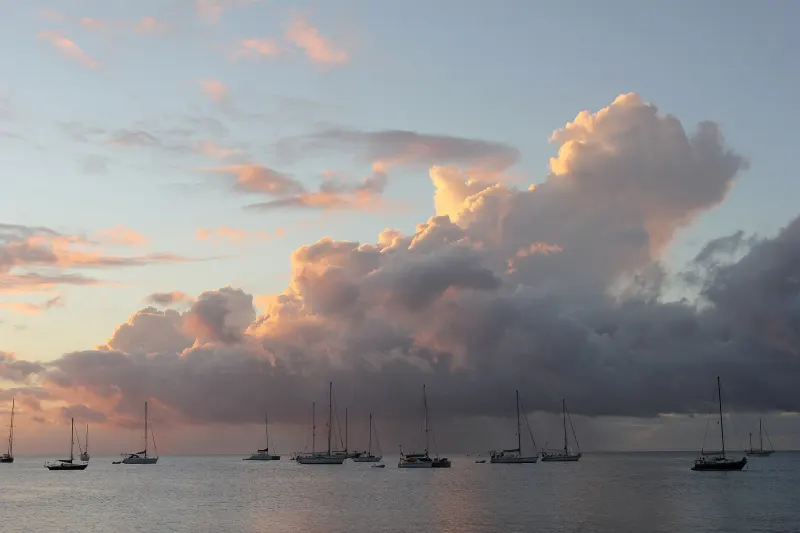
If you’ve never spent an evening at anchor, the quiet is the thing that surprises you. It isn’t silence, exactly. It’s a different set of sounds:
- The little slap of water under the bow.
- A halyard tapping somewhere in the next boat over.
- A seabird having the last word on the shore.
- A dinghy outboard puttering across the bay as somebody goes ashore for supplies.
- And, now and again, laughter carrying across the water from another cockpit, where somebody else is doing exactly the same thing as you.
I spent a lot of my younger years around boats on the River Hamble, and that sound of rigging tapping against masts is one of the things I’ve missed most in the years I’ve been away from the water. You don’t realise how much a sound can mean until you haven’t heard it for a long time.
You don’t need a superyacht for this
One of the things I love about watching boat tour videos in the evenings is seeing how owners design their boats around exactly this moment. The flybridge with the good seats facing aft. The cockpit table that folds out just so. The swim platform where you can sit with your feet in the water.
But here’s the honest truth: the sundowner is the great leveller of boating. It’s just as good on a 24-foot cruiser with two plastic cups as it is on a 70-foot motor yacht with proper glasses. Arguably it’s better on the small boat, because you had to work a bit harder to get there.
All you actually need is:
- A sheltered spot with good holding.
- A forecast that lets you relax.
- Somewhere to sit facing west.
- Something to drink, and someone to share it with (or not, if a quiet evening alone is what you’re after).
That’s it. That’s the whole recipe.
A small ritual that holds a boating life together
Rituals matter on boats. Checking the engine oil before you leave. The same knot on the same cleat. The kettle going on as soon as you’re tied up. The sundowner is one of the nicest of them, because it doesn’t have a job to do. It’s simply a pause to notice where you are.
And where you are is usually somewhere you couldn’t have reached by car. A bay with no road. A view of the coast that people on land never get to see. A sky that seems to go on changing colour for far longer than it ever does at home.
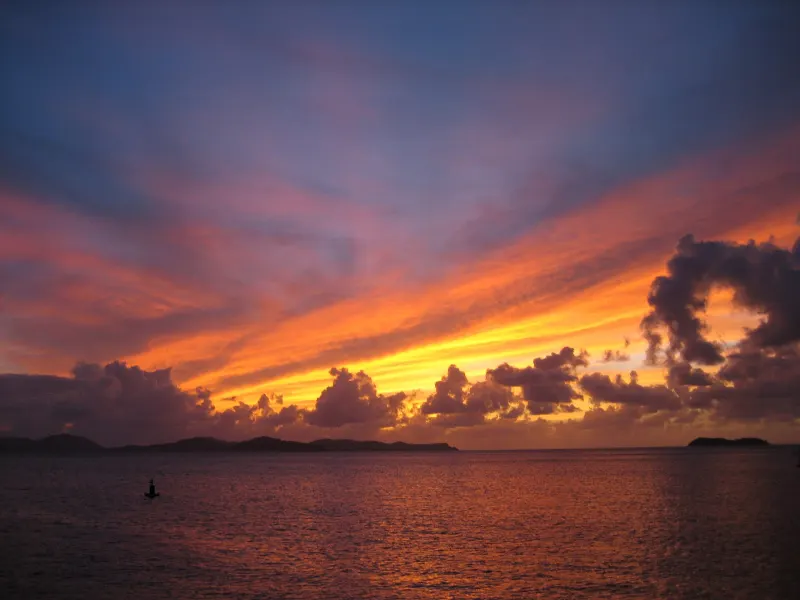
Picture it: the sun dipping behind a headland, the water going from blue to gold to grey, and the first anchor lights coming on around the bay one by one. Somebody says, "We should do this more often." Everybody agrees. And for once, everybody means it.
A word for the person on anchor watch
A gentle, sensible note, because it’s part of the ritual too. The best sundowners are the relaxed ones, and the relaxed ones happen when the boring stuff is done first. Check that the anchor is holding before the cork comes out. Know what the wind is meant to do overnight. Keep the drinks modest if you might need to move in the dark. The sea is very good at rewarding the people who respect it, and a calm night’s sleep is the best reward of all.
Your turn
I’m still hunting for my own dream boat. These days my shortlist is a steel Cape Horn 74 or a 76-foot shallow-draft trawler, and if I’m honest, half of what I’m picturing when I look at them is the aft deck at sunset. That’s the scene I keep coming back to.
If you’re dreaming about your own first evening at anchor, have a look at the KeelFair marina directory for harbours and sheltered spots near you (including visitor berths, for the nights when the anchorage is too lively).
And I’d love to hear about your favourite anchorage, and what’s in your glass when you get there. Drop me a line at [email protected].
Fair winds, and here’s to the next one, Douglas Cook Founder, KeelFair