Two Oars and a Big Grin: The Joy of Teaching a Child to Row
Going round in circles, splashing everyone, and then suddenly, the boat goes straight. A KeelFair note on the moment a young person first takes charge of a boat.
Los artículos del diario se publican en inglés.
By Douglas Cook · Founder, KeelFair
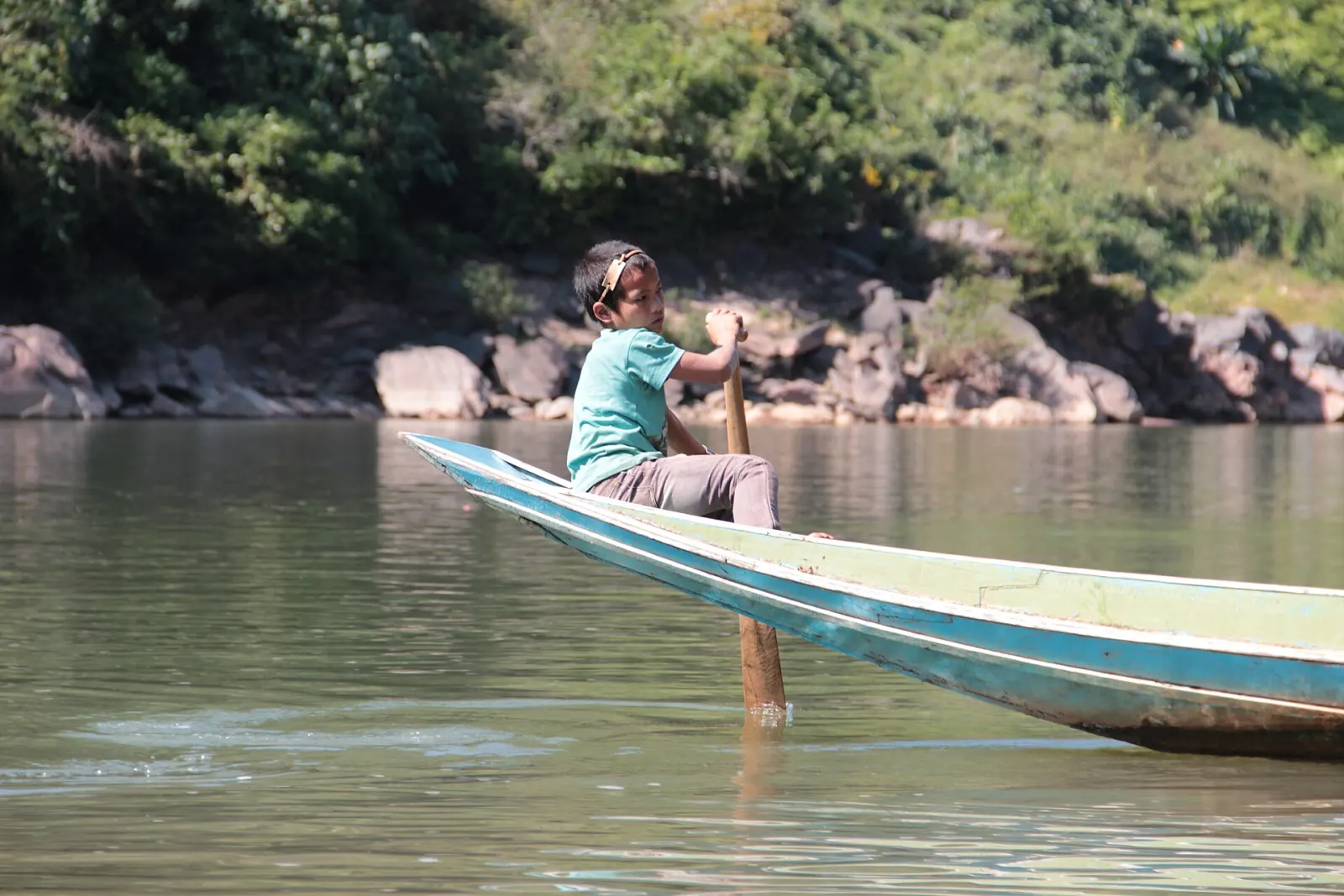
Header image: a child rowing on the Nam Ou river in Laos. Photo: GuillaumeG, CC BY-SA 3.0, via Wikimedia Commons.
There’s a look a child gets the first time a boat does what they want it to do.
It usually comes after quite a lot of going round in circles. One oar digs in, the other skims across the top, everybody in the boat gets a bit wet, and there may be some strong opinions expressed about whose idea this was. And then, all of a sudden, both oars catch the water together, the boat slides forward in a straight line, and a small face lights up with pure, astonished delight.
"I’m doing it!"
If you’ve ever been the adult sitting in the back of that boat, you’ll know it’s one of the best feelings in the whole of boating.
Why it matters more than it looks
On the surface, rowing a little dinghy across a harbour is a tiny thing. But for a young person, it’s often the first time they’ve been properly in charge of something real.
Not a game on a screen. Not a toy. A boat, on real water, with real wind and real consequences (even if the biggest consequence is drifting gently into the pontoon). They’re the one deciding where it goes. They’re the one making it happen. And the grown-up in the back is, for once, just a passenger.
That’s a big deal when you’re young. It’s confidence you can feel in your arms and hands.
I’m hoping to be that adult in the back
I wrote recently about my 13-year-old daughter, and about the evening we watched True Spirit together. I’ve spent a long time away from the water, and one of the things I’d love most is to introduce her to it properly.
I’m under no illusions. Any parent of a teenager knows that "your dad loves this, so you’ll love it too" is not a winning argument. But I’ve come to think that the way in isn’t talking about it at all. It’s handing over the oars, or the tiller, and then keeping quiet.
So this piece is partly a note to myself, and partly for anyone else hoping to share the water with a young person in their life.
A few gentle tips for a happy first go
None of this is a substitute for proper instruction, and a local sailing club or training centre is a brilliant place to start. But for a calm first go in a dinghy with a grown-up aboard, these are the things that seem to make the difference:
- Pick the calmest day you can. Sheltered water, little wind, no tide to fight. The aim is fun, not a workout.
- Lifejackets on, every time, for everyone. Including the adult. Kids copy what you do, not what you say.
- Show, then hand over. A minute of demonstrating is plenty. Then let them have it.
- Expect circles. Circles are part of it. Laugh about them together.
- Talk less than you want to. It’s tempting to correct every stroke. Try a word of encouragement instead, and let them work it out.
- Give them a target. "Can you get us to that yellow buoy?" is far more fun than "keep going straight".
- Stop while it’s still fun. Finishing with a grin is how you get asked to go again.
From oars to a tiller
For a lot of young people, rowing is the doorway. Once they’ve worked out that they can move a boat with their own arms, the next step is often a small sailing dinghy, and the magic of feeling the wind do the work.
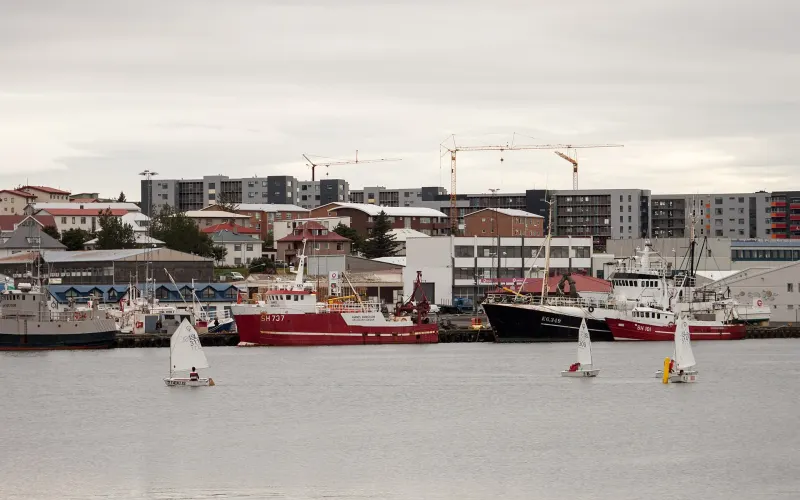
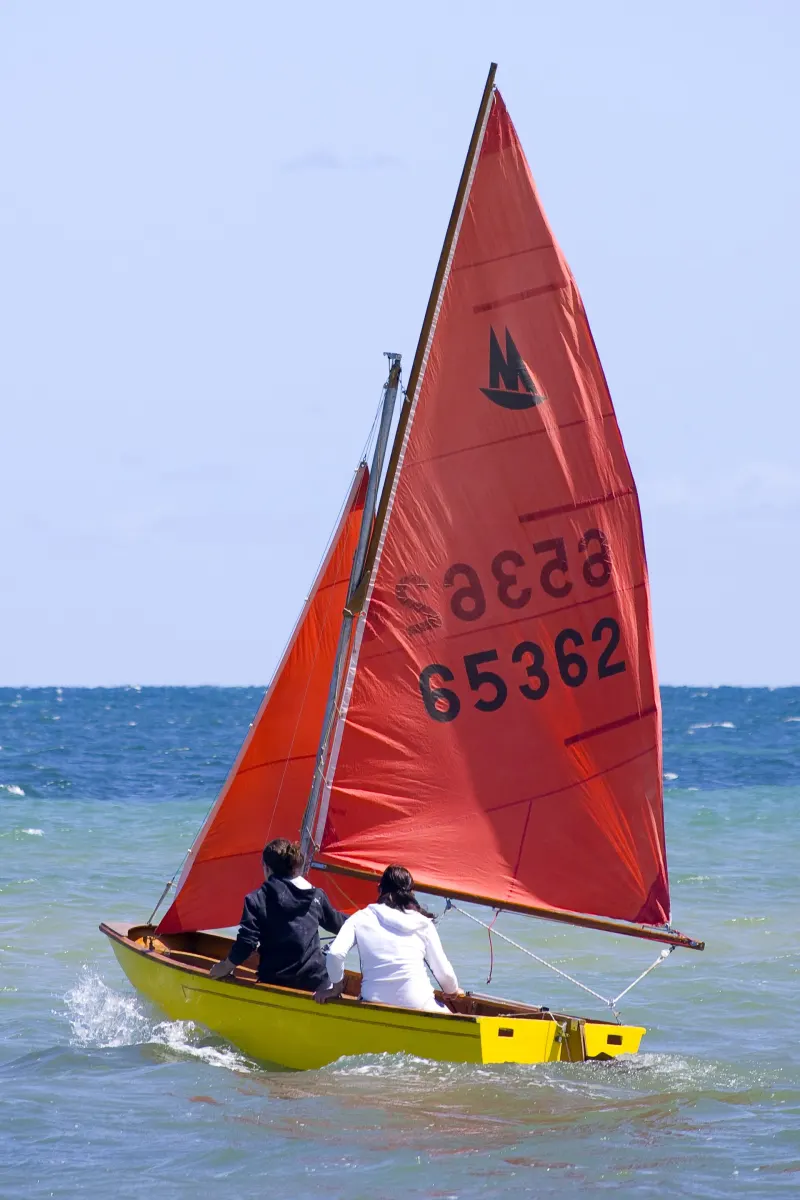
There’s something wonderful about watching a harbour full of little dinghies on a summer’s day, each with a young sailor concentrating hard, some going in entirely the wrong direction, all of them learning. Dinghies like the Mirror have been the first boat for generations of young sailors in Ireland and the UK, often shared between a parent and child, or two friends.
What they really learn
The skills are lovely, but they’re not really the point. What a child learns in a small boat goes much further:
- That they’re capable. They did it, themselves.
- That mistakes are fine. You go wrong, you correct, you carry on.
- To read the world around them. Wind on the water, the pull of the tide, the way the weather changes.
- Respect for the sea. Earned gently, in safe conditions, alongside someone who cares about them.
- Independence. The day they row off without you is a little bittersweet, but it’s also the whole point.
The roles reverse
Here’s the bit that gets me. Picture a few summers from now. The child who once went round in circles is at the helm, calmly telling you to sit still, move your weight and stop fiddling with the sheet. They know what they’re doing. Maybe better than you.
That’s the real reward. Not that you taught them to row, but that you gave them a way onto the water that’s entirely their own.
Your turn
If you’ve got a story about the first time a young person in your life took charge of a boat, I’d love to hear it. Drop me a line at [email protected].
And if you’re looking for somewhere to start, the KeelFair marina directory and marine services are a good way to see what’s on the water near you. Many clubs and training centres run junior courses, and a short, sunny afternoon is all it takes to begin.
Fair winds, Douglas Cook Founder, KeelFair